PCOS Is Now PMOS: What the New Name Means for Unwanted Hair

PCOS was renamed PMOS (polyendocrine metabolic ovarian syndrome) in 2026. What changed, why, and what it means if you have unwanted facial or body hair.

Hirsutism means coarse, dark hair growing in a male-like pattern, such as on the chin, upper lip, chest or stomach. It is common, affecting roughly 5 to 15 in 100 women, and usually has a hormonal cause. These articles explain why it happens, how doctors diagnose it and when hair growth is a sign to get checked quickly.
PCOS was renamed PMOS (polyendocrine metabolic ovarian syndrome) in 2026. What changed, why, and what it means if you have unwanted facial or body hair.
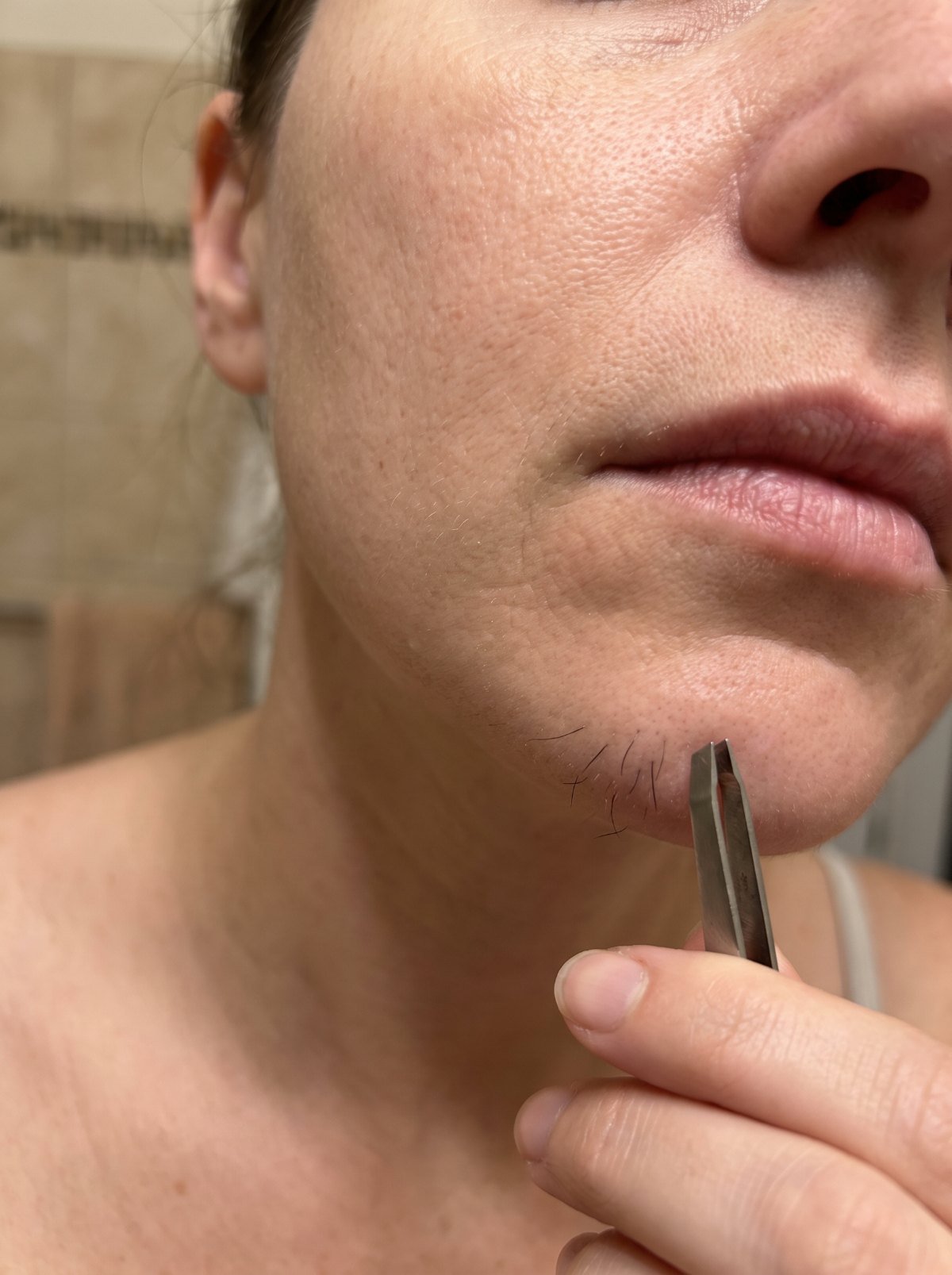
Why PMOS (formerly PCOS) causes chin and upper lip hair, which treatments the evidence supports, and how to combine them with hair removal so results last.
Excessive body hair in men is usually normal and genetic. Learn why men don’t get hirsutism, what causes hypertrichosis, and how to remove the hair.
Can PCOS (PMOS) hair loss be reversed? What causes it, which treatments work, how long they take, and which popular remedies have no evidence.
How hormones affect hair texture and growth: androgens, PMOS, pregnancy, the pill, thyroid and menopause, plus which changes are temporary.
Hirsutism vs trichotillomania: how hair pulling disorder differs from removing unwanted hair, the warning signs, and treatments such as habit reversal.
Hirsutism vs. hypertrichosis: how to tell them apart, what causes each, the facts about “werewolf syndrome,” and when to see a doctor.

Take our free hirsutism quiz: Score 9 body areas on the Ferriman-Gallwey scale, learn what your score means and what to do next.
Hirsutism and acne share a hormonal cause. Learn how androgens and PMOS (formerly PCOS) link them, when to get tested and which treatments help both.
Can the thyroid cause hirsutism? An underactive thyroid is a rare cause. Learn the link with PMOS (formerly PCOS), hair loss, and which thyroid tests help.