Hirsutism in Pregnancy and After Birth: What’s Normal

Extra hair in pregnancy is usually normal and fades after birth. Here are the red flags, and which treatments to pause or keep.

 Kathrin
Extra hair in pregnancy is usually normal and fades after birth. Here are the red flags, and which treatments to pause or keep.

Stopping the pill can reveal hirsutism it was hiding. Here is what changes, when, and how to get a reliable diagnosis.

GLP-1 drugs help women with PMOS lose weight, but trials have not shown less unwanted hair. Here is what the evidence, guidelines and labels say.

Hirsutism cutoffs differ by ancestry. See the Ferriman-Gallwey thresholds doctors use for different populations, why studies disagree and what it means for you.
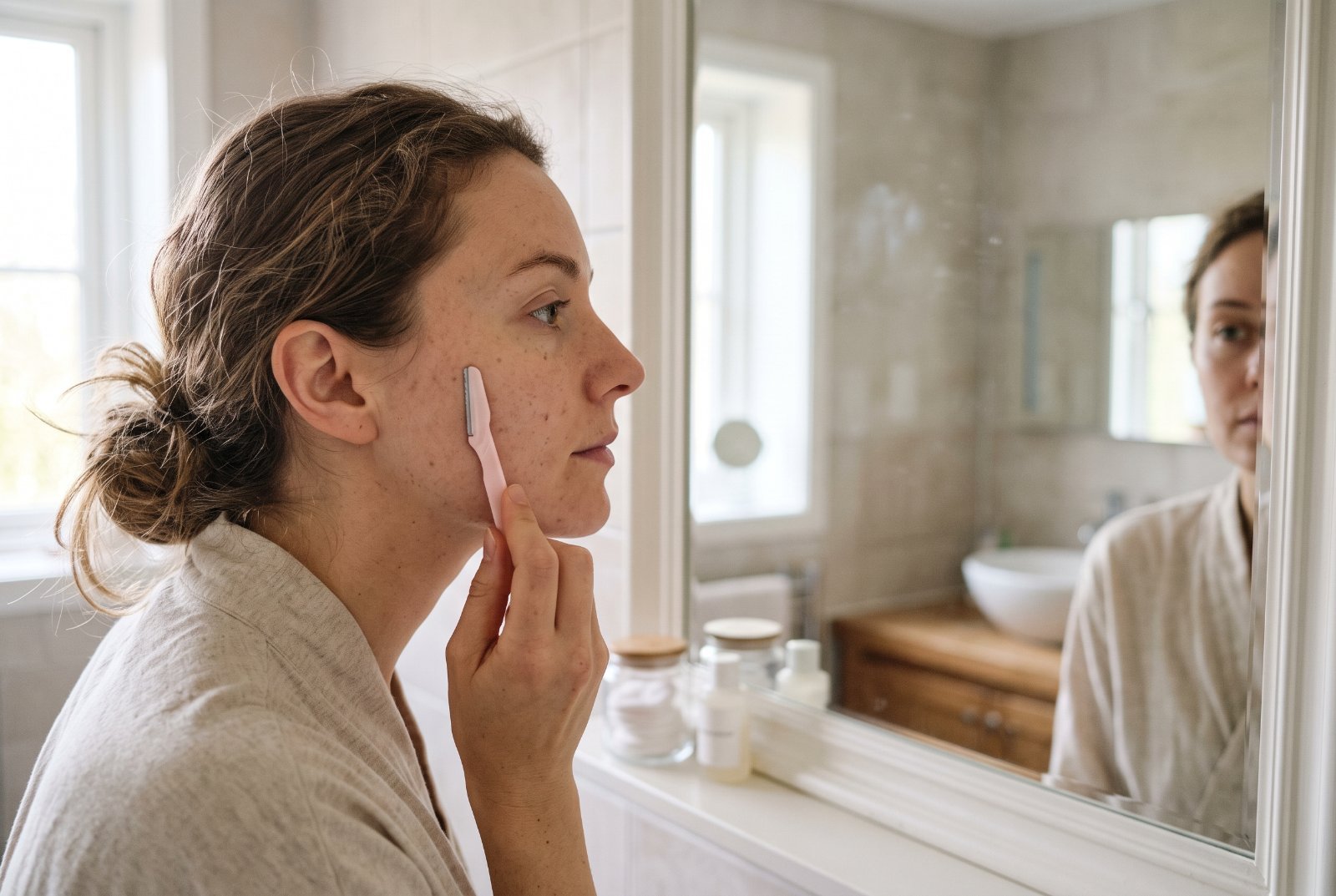
Dermaplaning cuts facial hair at the surface like shaving, so it won’t make hair thicker. Here is how it compares with shaving, plucking and threading, how to do it safely, and who should skip it.

No single pill is proven best for unwanted hair. Here is how progestins compare on androgen effects and blood clot risk, and what guidelines advise.
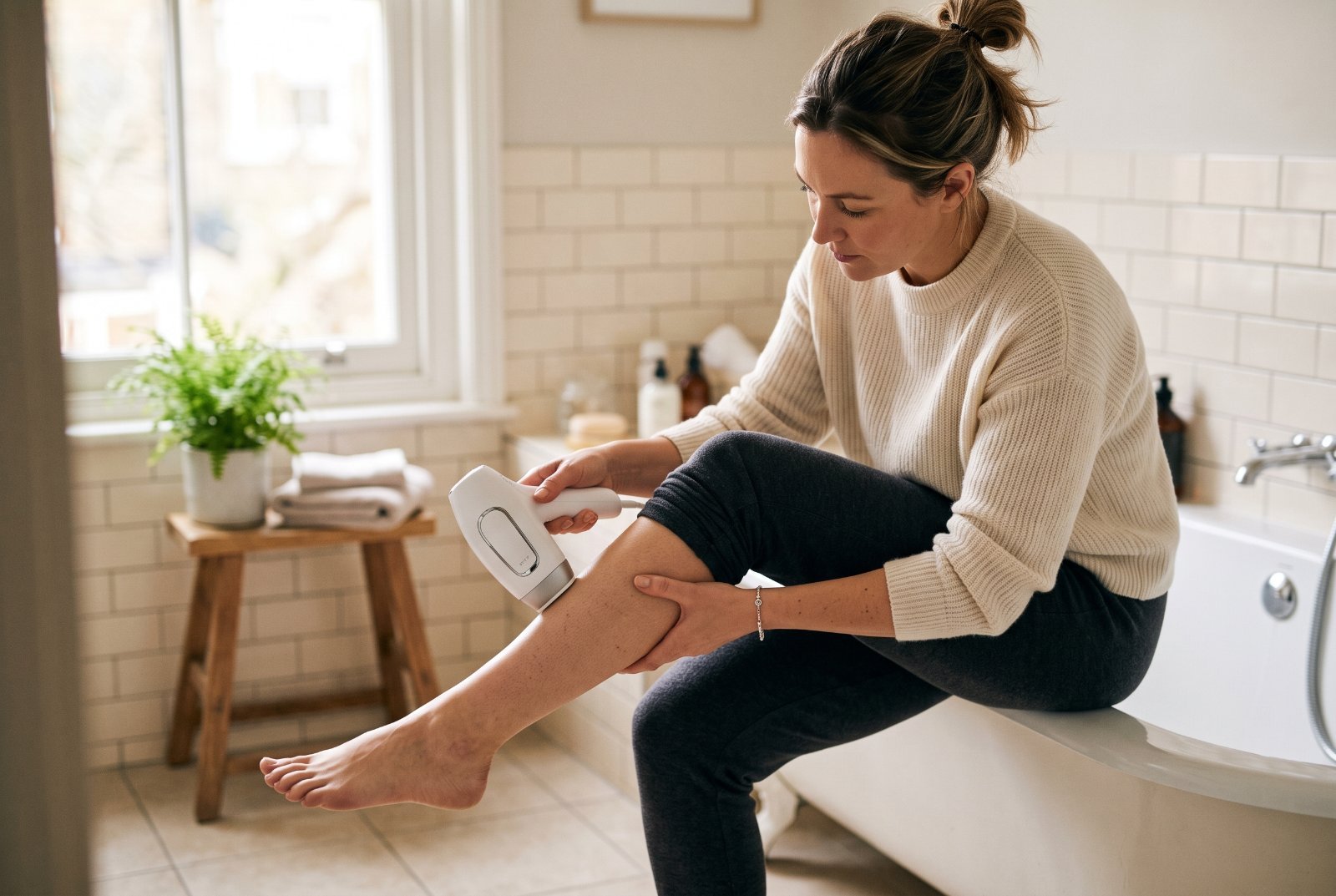
At-home IPL and laser devices can thin dark hair, but they are weaker than clinic devices and the studies are small and often industry-funded. Here is what to expect with hormonal hair, who should skip them, and how to stay safe.

We asked 269 women with hirsutism what they would tell someone newly diagnosed. Their advice, grouped into seven themes, with what the research says.
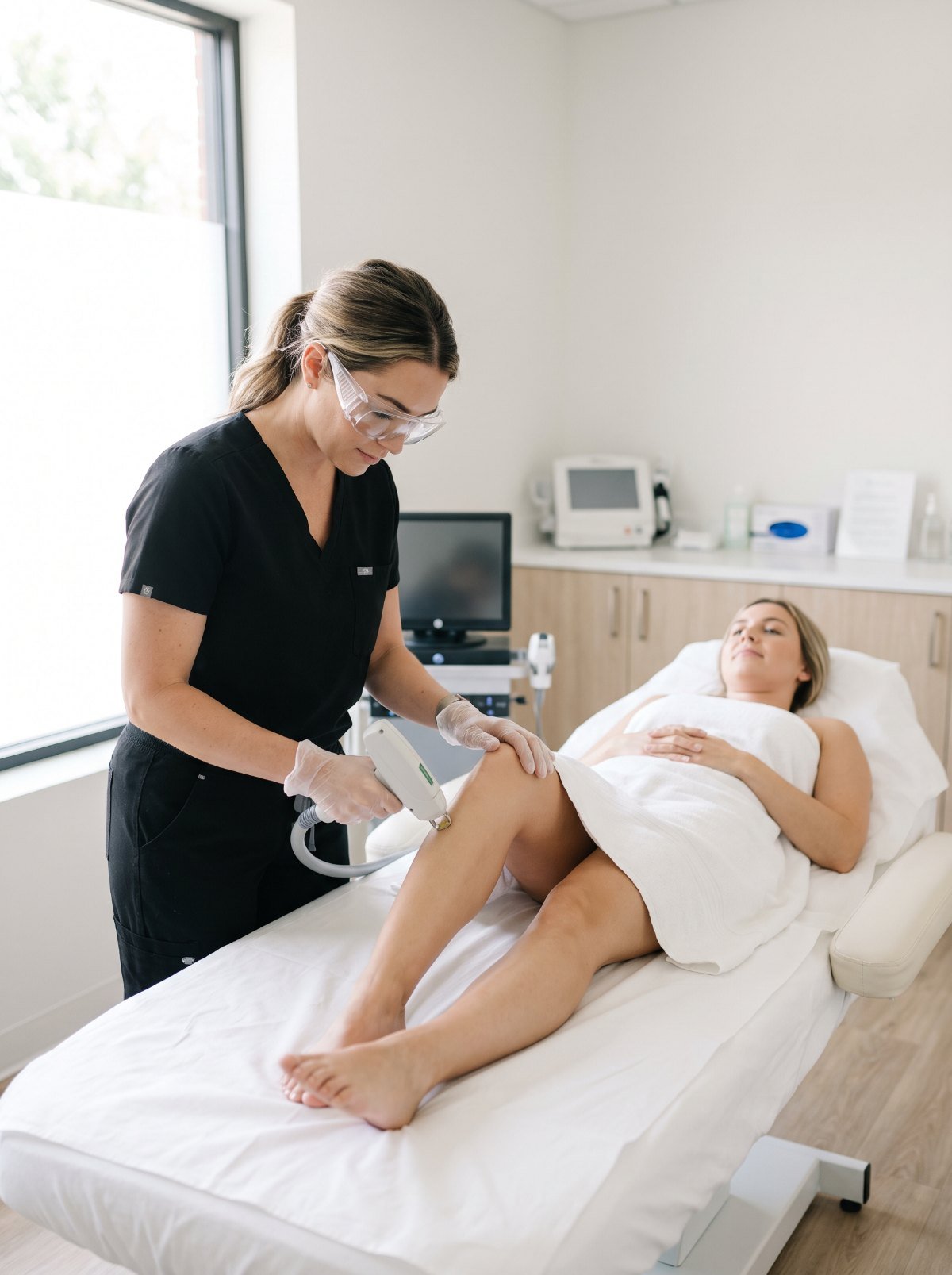
Most insurers treat laser and electrolysis for hirsutism as cosmetic, but there are exceptions. What US insurers, the NHS and German statutory insurance say, and how to ask for coverage.
PMOS and idiopathic hirsutism run in families, and non-classic congenital adrenal hyperplasia is directly inherited. Here is what that means for you, your siblings and your daughter.